




Every procedure at Hair Transplant Leeds is performed by a doctor on the GMC register
Centrally based and easy to reach from across Yorkshire and the surrounding region
An honest look at your hair loss and what surgery can realistically achieve for you
Your surgeon focuses solely on your procedure, undivided attention from the first incision to the last graft
Transgender Hair Transplant Leeds
At Hair Transplant Leeds, we offer hair transplant surgery for transgender patients as part of gender-affirming care. Whether you are transitioning from male to female (MTF) or female to male (FTM), our GMC and ISHRS-registered surgeons can reshape and restore your hairline to match your gender identity. Book your free consultation in Leeds today.
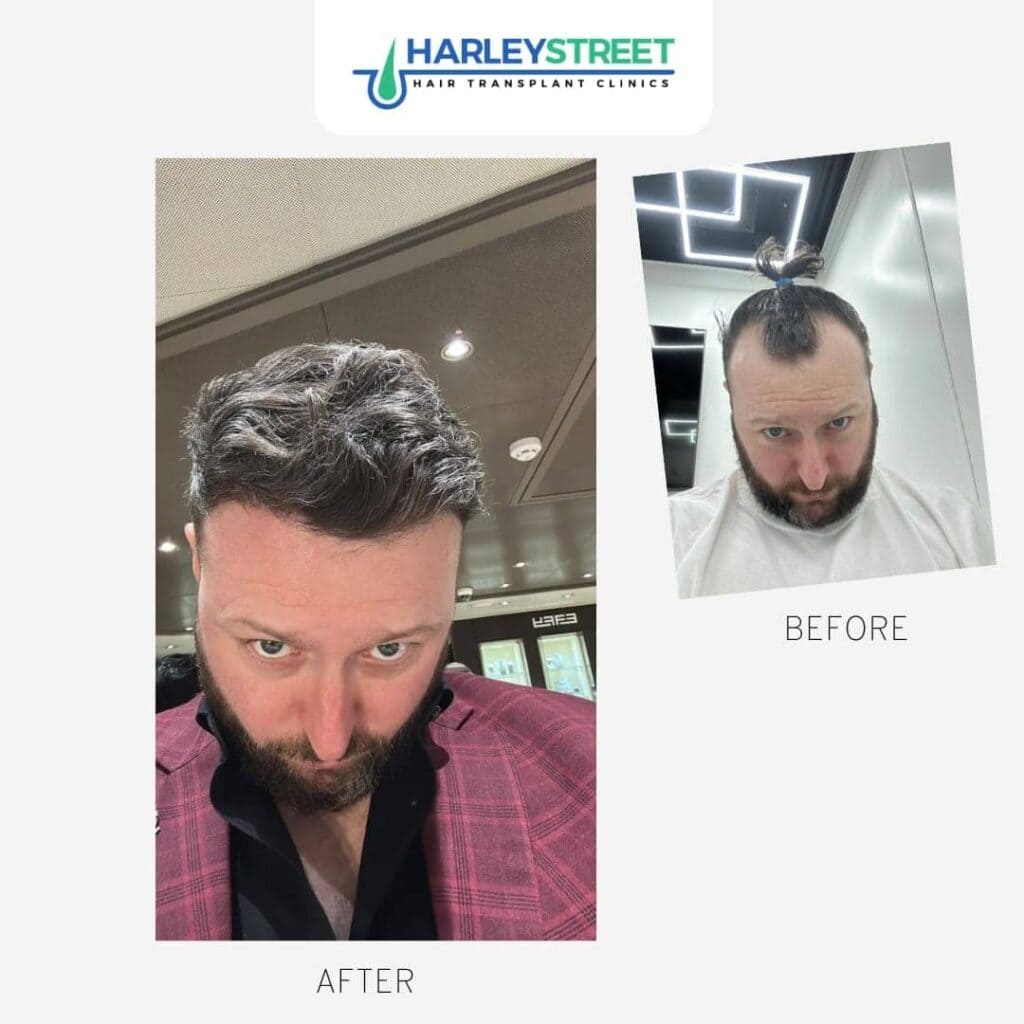
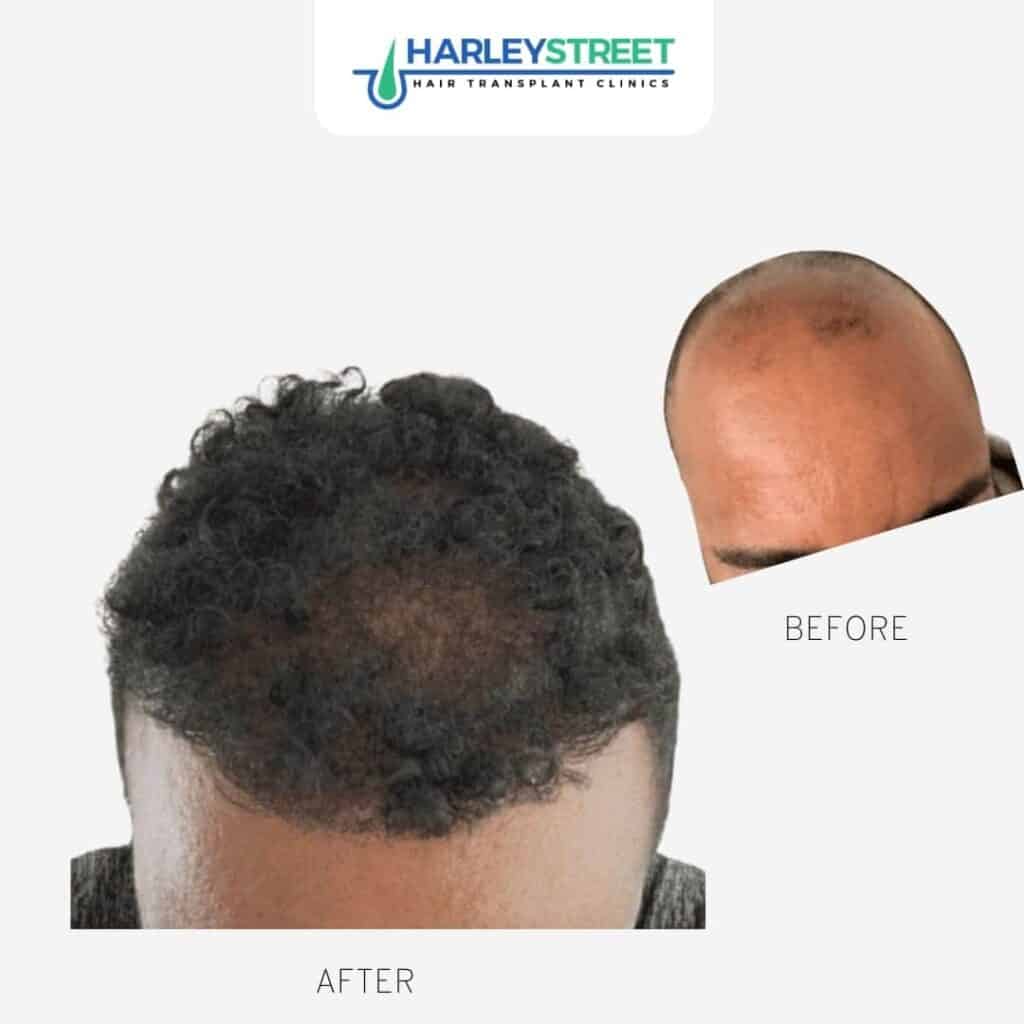
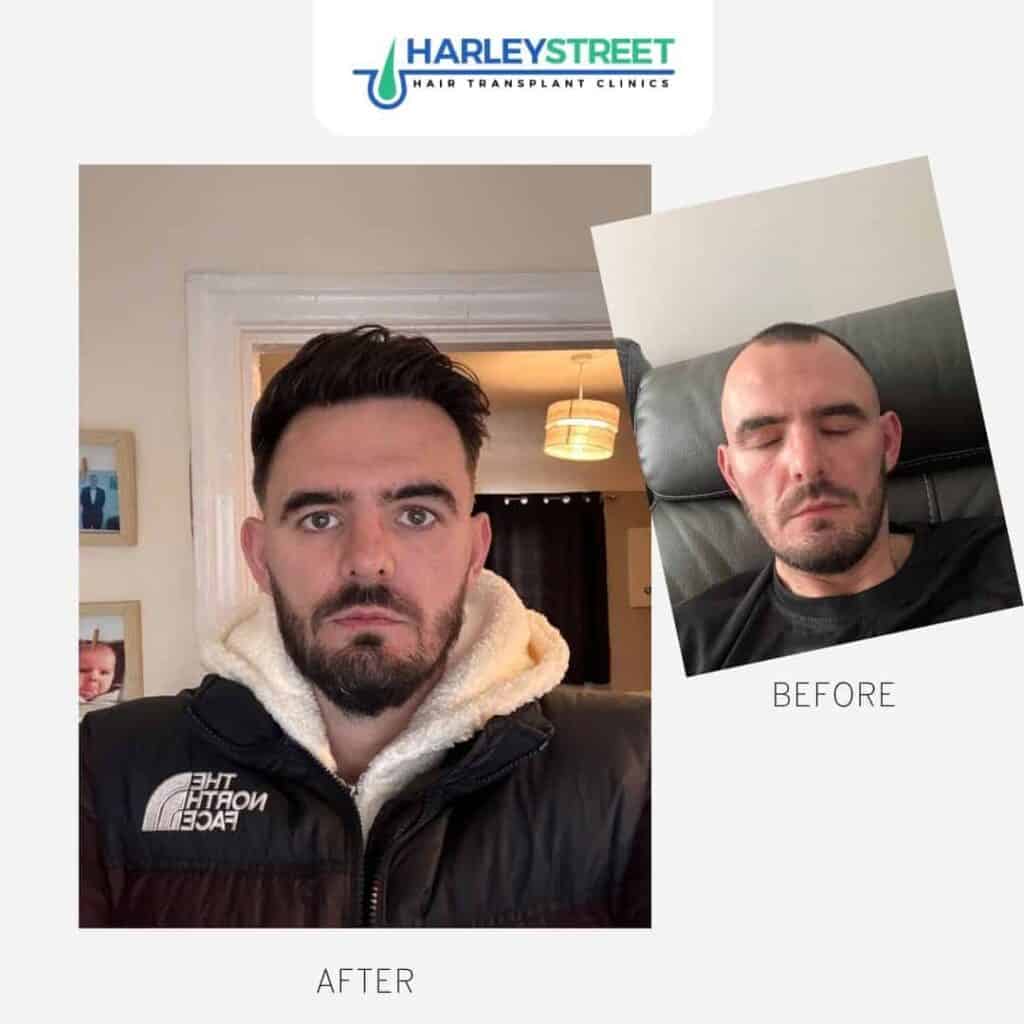
Before and After Transgender Hair Transplant Results in Leeds
A selection of results from patients treated at our Leeds clinic. All procedures were performed by our GMC-registered surgeons.
What is a Transgender Hair Transplant?
A transgender hair transplant uses the same FUE or DHI surgical technique as any other hair restoration procedure. The difference lies entirely in the goal: the hairline is designed, shaped, and restored to reflect the patient’s gender identity rather than simply to reverse hair loss.
For MTF patients, the surgery typically addresses male pattern recession in the temples and frontal hairline that occurred before or during transition , creating a softer, rounder, lower frontal line that reads as feminine.
For FTM patients, the goal is often the opposite: reshaping a naturally lower or more curved female hairline into a higher, more defined masculine profile. FTM patients who use testosterone as part of hormone replacement therapy may also experience androgenetic hair loss over time, and a transplant can address this directly.
In both cases, the donor follicles come from the back and sides of the scalp. Because these follicles are genetically resistant to DHT, they are permanent regardless of ongoing hormone therapy.
MTF and FTM Hairlines , the Design Difference
The most clinically important detail in transgender hair transplantation is hairline geometry. The anatomical differences between a typical male and female hairline are specific and measurable , and getting them right is what produces a result that genuinely affirms gender rather than one that simply fills in hair.
A female hairline typically sits 5–6 cm above the brow, follows a soft, rounded arc with minimal temporal recession, and has no defined peaks at the temples. The transition from hairline to temple is gentle and continuous.
A male hairline is typically set higher (6–8 cm above the brow), forms a characteristic M-shape with defined temporal recession points, and has a sharper, more angular transition at the temples.
For MTF surgery, the procedure moves the effective hairline downward and eliminates the temporal recession points , rounding the overall shape. For FTM surgery, the hairline may be raised slightly and the temporal angles defined. In both cases, the incision pattern and graft placement follows the specific growth direction of the target gender’s hairline, not the patient’s existing one. This geometric planning is the difference between a natural-looking result and one that is simply fuller , and it requires both surgical precision and a clear brief from the patient before a single incision is made.
Make the best investment in yourself and find out more about how we can help eliminate hair loss for good!
Who is Suitable for a Transgender Hair Transplant in Leeds?
Suitability for a transgender hair transplant is assessed at your free consultation. The two key factors are the same as for any hair transplant: sufficient donor density at the back and sides of the scalp, and a clearly defined recipient zone to work within.
Additional considerations specific to transgender patients include:
- MTF patients , Patients who have experienced male pattern recession before or during transition are typically good candidates. If you are on oestrogen and testosterone blockers, any ongoing DHT-driven loss should be largely stabilised before surgery is planned. We will discuss your hormone therapy history at consultation.
- FTM patients , Patients using testosterone as part of HRT may be experiencing androgenetic thinning. Surgery can be performed once the pattern of loss is stable and predictable, so it can be planned around without risking the result.
- Patients not on HRT , A transplant is still possible. The surgical plan will account for the likelihood of future hair loss and preserve donor grafts accordingly.
There is no minimum or maximum age requirement. We treat each patient individually and do not make blanket eligibility decisions before a proper assessment.
Surgical Methods for Transgender Hair Transplants
Follicular Unit Extraction (FUE)
FUE is the most commonly used method at our Leeds clinic for transgender patients. Individual follicles are extracted from the donor area and implanted one by one. FUE leaves no linear scar and allows patients to keep their hair short at the donor site , an important consideration for many trans patients. FUE hair transplants in Leeds are performed exclusively by our GMC-registered surgeons.
Direct Hair Implantation (DHI)
DHI uses a CHOI implanter pen to extract and implant each follicle in near-simultaneous steps. This gives the surgeon greater precision over the angle and direction of each graft , which is particularly valuable in transgender hairline work, where the exact geometry of the result matters more than in a standard restoration case.
Follicular Unit Transplantation (FUT)
FUT is an option in cases where maximum graft yield is required in a single session. It leaves a linear scar at the donor site, so it is generally recommended only for patients who wear their hair long enough to conceal it. It is discussed at consultation where it is clinically appropriate.
Transgender Hair Transplant Cost in Leeds
Transgender hair transplant procedures at our Leeds clinic start from £3,000 for smaller cases and typically range between £4,500 and £6,500 depending on the extent of work required. The final cost is confirmed at your free consultation , no pricing is given before a proper assessment of your donor density and hairline goals.
We do not price on a per-graft basis. The cost of a hair transplant in Leeds is determined by the surface area being treated and the complexity of the hairline design. Finance plans are available, allowing you to spread the cost over 12 months at 0% APR or over a longer period if preferred.
Hair Loss Medication for Transgender Patients
For MTF patients, finasteride is sometimes used as part of aftercare to prevent further DHT-driven thinning of native hair surrounding the transplant. Finasteride is not appropriate for FTM patients. If you are on oestrogen and testosterone blockers, this should be discussed with your prescribing clinician as well as our surgical team before any medication is added. We will always work in coordination with your existing healthcare providers.
For FTM patients on testosterone, minoxidil may be discussed at consultation as a way to support density in areas not covered by the transplant.
Meet Our Team

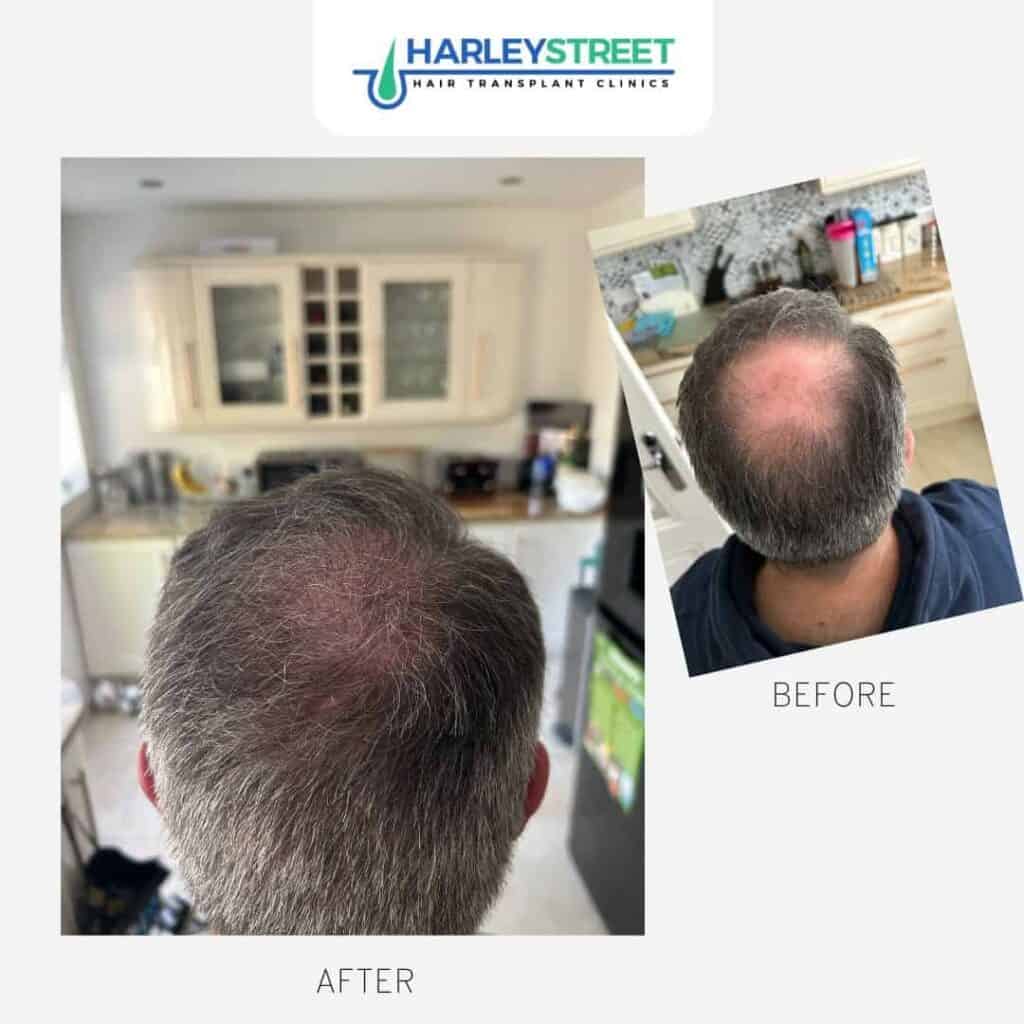
A Selection of Our Before and After Results
Make the best investment in yourself and find out more about how we can help eliminate hair loss for good!
Where is the Leeds Clinic Located?
The Leeds Hair Transplant Clinic is located in the city centre of Leeds. The address is:
Hair Transplant Leeds
2 Wellington Place,
Leeds,
LS1 4AP
Please note: An appointment is required as we don’t accept walk-ins.
Our opening hours are:
Monday: 9am–8pm
Tuesday: 9am–8pm
Wednesday: 9am–8pm
Thursday: 9am–8pm
Friday: 9am–8pm
Saturday: 9am–5pm
Sunday: 9am–5pm
Frequently Asked Questions
A transgender hair transplant uses follicles from the donor area at the back and sides of the scalp, which are then implanted into areas of thinning or loss. All procedures at our Leeds clinic are performed by GMC-registered surgeons.
Most patients return to work within a few days. The transplanted hairs shed at around 2 to 4 weeks, which is normal. New growth begins at 3 to 4 months and the majority of the final result is visible by 9 to 12 months.
The procedure is performed under local anaesthetic. Most patients experience minimal discomfort during the treatment. Some tenderness in the donor and recipient areas is normal in the first few days after surgery.
The cost depends on the number of grafts required. Your patient advisor will provide an exact quote during your free consultation. Finance options are also available.
The best way to confirm suitability is through our free consultation. Your surgeon will assess your donor density, the extent of your hair loss, and discuss realistic outcomes before recommending treatment.
Graft counts depend on the area to be treated and the degree of hair loss. Typical procedures range from 1,000 to 3,000 grafts. Your surgeon will give you an accurate estimate at your free consultation.
Patient Testimonials
We don’t just focus on outstanding results. We stay closely connected with our patients before, during, and long after their hair transplant. That continuity keeps patients informed, calm, and in control at every stage. Our team is always available to offer clear guidance, reassurance, and expert aftercare. It’s this level of ongoing support that our patients consistently say sets us apart from other clinics.
You can read our great reviews of FUE hair transplants over on Google and Trustpilot